If your West Des Moines home is going to sell itself, the market data says otherwise. With about 280 homes for sale, a median time on market of 54 days, and a 99% sales-to-list ratio, this is a market where preparation still matters. If you want strong offers and a smoother timeline, the work you do before listing can shape both. Let’s dive in.
Why prep matters in West Des Moines
West Des Moines is not a one-size-fits-all market. Recent data shows a broad range of price points, from around $225,000 in Valley Junction to about $1.25 million in Glen Oaks Country Club, which means your pricing and presentation strategy should fit your specific submarket.
That matters because buyers compare your home against similar options nearby, not against the whole city in a vacuum. A move-up home with upgraded finishes will need a different prep plan than an entry-level resale, even if both are in West Des Moines.
Start earlier than you think
If you hope to list in spring, timing is important. Realtor.com identified April 12 through 18 as the strongest national listing window for 2026, and it also reported that 53% of sellers need one month or less to get their home ready.
In real life, that means you should start several weeks before your intended list date. Repairs, decluttering, staging, and photography all take time, especially if you want your home to hit the market looking polished instead of rushed.
Focus on repairs first
Before you think about décor or photos, make sure the home is functioning well. Big-ticket concerns like roofing, HVAC, plumbing, electrical issues, or appliances can affect buyer confidence and the way offers come in.
A pre-sale inspection is not required, but it can help uncover issues before buyers do. If you choose not to complete a major repair, it is still wise to account for that condition in your pricing strategy so buyers do not feel surprised later.
Check permit-sensitive updates
If you have completed work like a basement finish, deck, porch, addition, detached garage, shed, fence, pool, or solar installation, it is smart to review whether permits were required. West Des Moines routes residential permits through its City Access Portal and has specific submittal requirements for many common home projects.
If your home is in Historic West Des Moines, design guidelines may also apply to keep renovations consistent with the neighborhood’s historic character. Having records organized before listing can help reduce avoidable questions during the transaction.
Understand Iowa disclosure rules
In Iowa, sellers of one- to four-dwelling-unit residential properties must provide a written disclosure statement before accepting a written offer. If that disclosure is delivered late, the buyer may have a short window to withdraw after receiving it.
The disclosure covers the condition and important characteristics of the property, including significant structural defects and lead service lines. It also contemplates information related to plumbing, heating, electrical systems, and pests, so it helps to gather details early instead of scrambling later.
Clean, declutter, and depersonalize
Once repairs are addressed, presentation becomes the priority. National guidance for sellers consistently points to cleaning windows, carpets, lighting fixtures, and walls, along with removing clutter and personal items that distract from the space itself.
This step matters because buyers often form opinions online before they ever book a showing. A clean, open-looking home tends to photograph better, feel larger, and make it easier for buyers to picture how they would use each room.
What to remove before photos
A few simple edits can make a big difference:
- Extra furniture that makes rooms feel tight
- Personal photos and highly specific décor
- Countertop clutter in kitchens and baths
- Overflow from closets, mudrooms, and garages
- Pet items, cords, and small visual distractions
The goal is not to make your home feel empty. The goal is to make it feel calm, cared for, and easy to understand.
Use staging where it counts most
Staging does not have to mean renting out your whole house. In many cases, strategic staging in the right rooms creates the strongest result.
According to the National Association of Realtors’ 2025 staging report, 29% of sellers’ agents said staged homes received offers that were 1% to 10% higher, and 49% reported shorter time on market. Buyers’ agents also said staging helps buyers picture the property as their future home.
Prioritize these rooms
The most commonly staged rooms were:
- Living room
- Primary bedroom
- Dining room
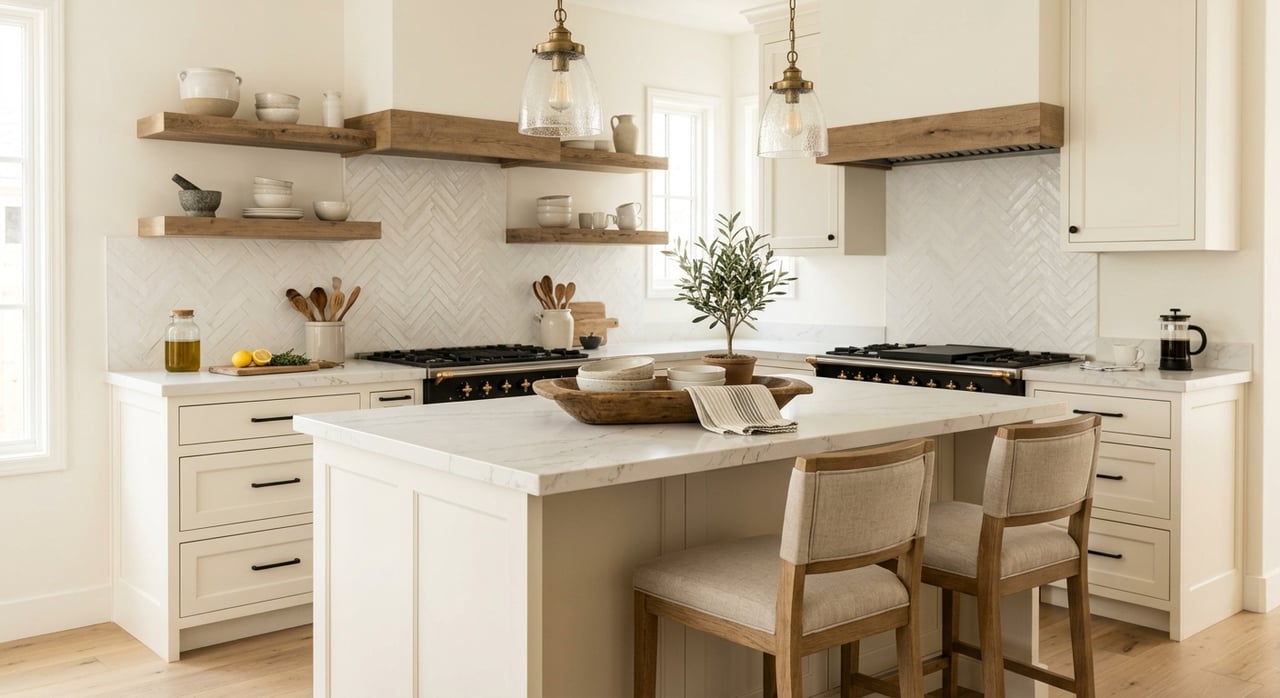
- Kitchen
For many West Des Moines sellers, especially in move-up and higher-finish price points, the best approach is restrained and polished. Neutral styling, strong lighting, and thoughtful furniture placement usually work better than bold personalization.
Know the typical staging cost
The same staging report found a median cost of $1,500 for professional staging, compared with $500 when the seller’s agent handled staging themselves. That does not mean every home needs a full staging package, but it does show that even modest presentation work can have a measurable impact.
This is one area where the right guidance matters. A team with design and merchandising experience can often help you decide what needs to stay, what should go, and where a few updates will carry the most value.
Improve curb appeal before showings
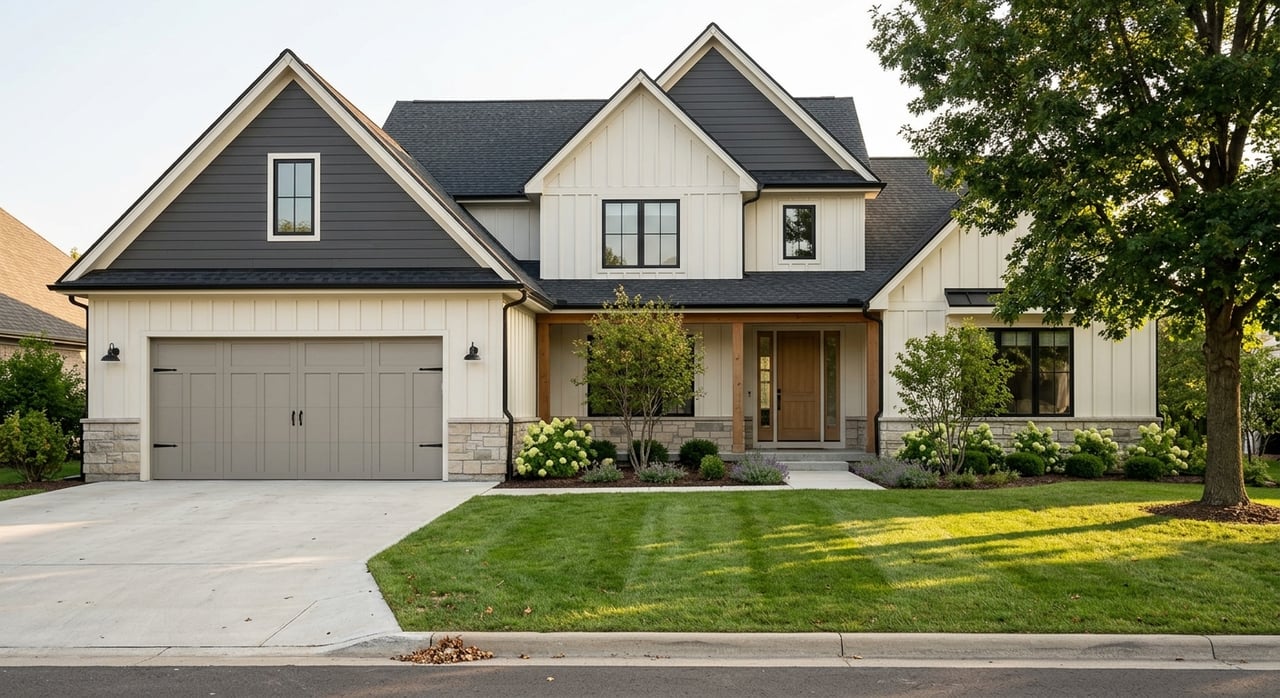
Your exterior sets expectations before buyers walk in. If the front entry looks neglected, many buyers will assume the inside may need work too.
Simple improvements often have the biggest payoff. Fresh mulch, trimmed landscaping, a cleaner front door, touched-up paint, and a tidy porch can sharpen first impressions without turning into a major project.
Plan for photography and digital presentation
Today, your home usually gets its first showing online. That means professional photos and a well-prepared interior are not extras. They are part of the marketing foundation.
NAR’s staging guidance notes that photos, videos, and other digital presentation tools matter in attracting buyer attention. Since nearly half of agents say buyers expect homes to look staged like TV homes, a clean and visually consistent presentation can help your listing stand out from day one.
Price in context, not by guesswork
Even a beautifully prepared home can lose momentum if it is priced without regard to its exact competition. In West Des Moines, wide variation between neighborhoods and price bands means citywide averages only tell part of the story.
A smart pricing strategy should account for your location, finish level, updates, condition, and how buyers are responding to similar homes right now. This is especially important for move-up sellers, where pricing too high can lead to extra time on market, and pricing too low can leave meaningful equity behind.
Coordinate your sale with your next move
For many homeowners, selling is only half the challenge. If you plan to buy another home after this one sells, your prep timeline should support that bigger move.
NAR’s 2025 buyer-and-seller profile found that 54% of repeat buyers used proceeds from a previous sale to help finance their next purchase. That is why the cleanest sequence is often to set your target list date, get the home market-ready, and then align your closing timeline and next-home search around the equity you expect from the sale.
This kind of planning can reduce stress and help you make decisions with more confidence. It is especially useful when you are moving into a larger home, a higher-finish property, or new construction where timing and cash flow matter.
A simple seller prep checklist
If you want a practical starting point, focus on these steps:
- Set your ideal list date.
- Identify needed repairs and maintenance.
- Review any past updates that may have required permits.
- Gather information needed for Iowa disclosures.
- Deep clean the home.
- Declutter and depersonalize key spaces.
- Improve curb appeal.
- Stage the most important rooms.
- Schedule professional photography.
- Build a pricing and timing plan for your sale and next move.
Preparing your West Des Moines home for sale is not about perfection. It is about presenting the home clearly, pricing it wisely, and removing as much friction as possible before buyers walk through the door.
If you are thinking about selling and want a plan that matches your home, timeline, and next move, Andrew Bruellman can help you prepare with clarity and confidence.
FAQs
How long does it take to prepare a West Des Moines home for sale?
- Many sellers need one month or less to get ready, but if you plan to list during a strong spring window, it is smart to start several weeks early so repairs, staging, and photography are not rushed.
What disclosures are required when selling a home in Iowa?
- For one- to four-dwelling-unit residential properties, Iowa requires a written disclosure statement before you accept a written offer, covering the property’s condition and important characteristics, including significant structural defects and lead service lines.
Do West Des Moines home improvements need permits before selling?
- Some projects may require permits, including additions, remodels, basement finishes, decks, porches, detached garages, sheds, fences, pools, solar systems, and demolition work, so it is wise to verify records before listing.
Does staging help sell a West Des Moines house faster?
- National data suggests it can, with 49% of sellers’ agents reporting shorter time on market and 29% saying staged homes received offers that were 1% to 10% higher.
Which rooms matter most when staging a West Des Moines home?
- The rooms most commonly staged are the living room, primary bedroom, dining room, and kitchen because they often have the biggest effect on buyer perception.
How should you price a West Des Moines home for sale?
- Your price should reflect your specific neighborhood, condition, finish level, updates, and current competition, since West Des Moines includes a wide range of submarkets rather than one uniform pricing pattern.