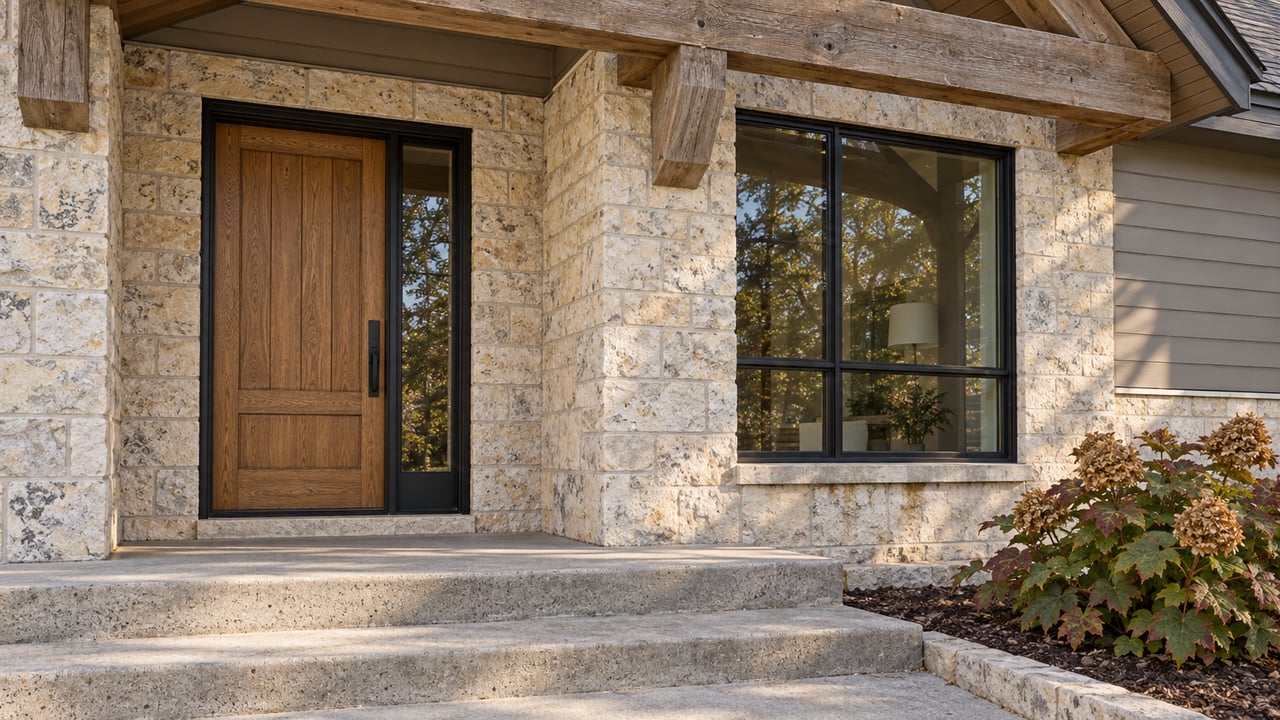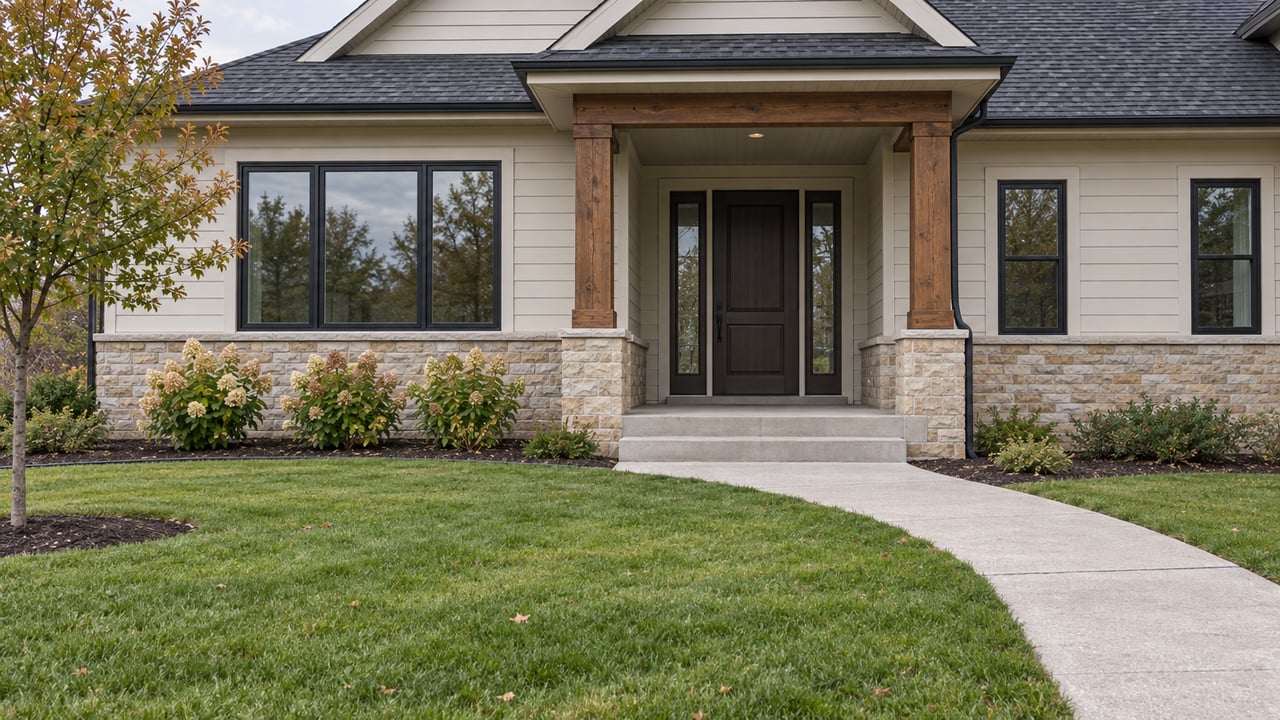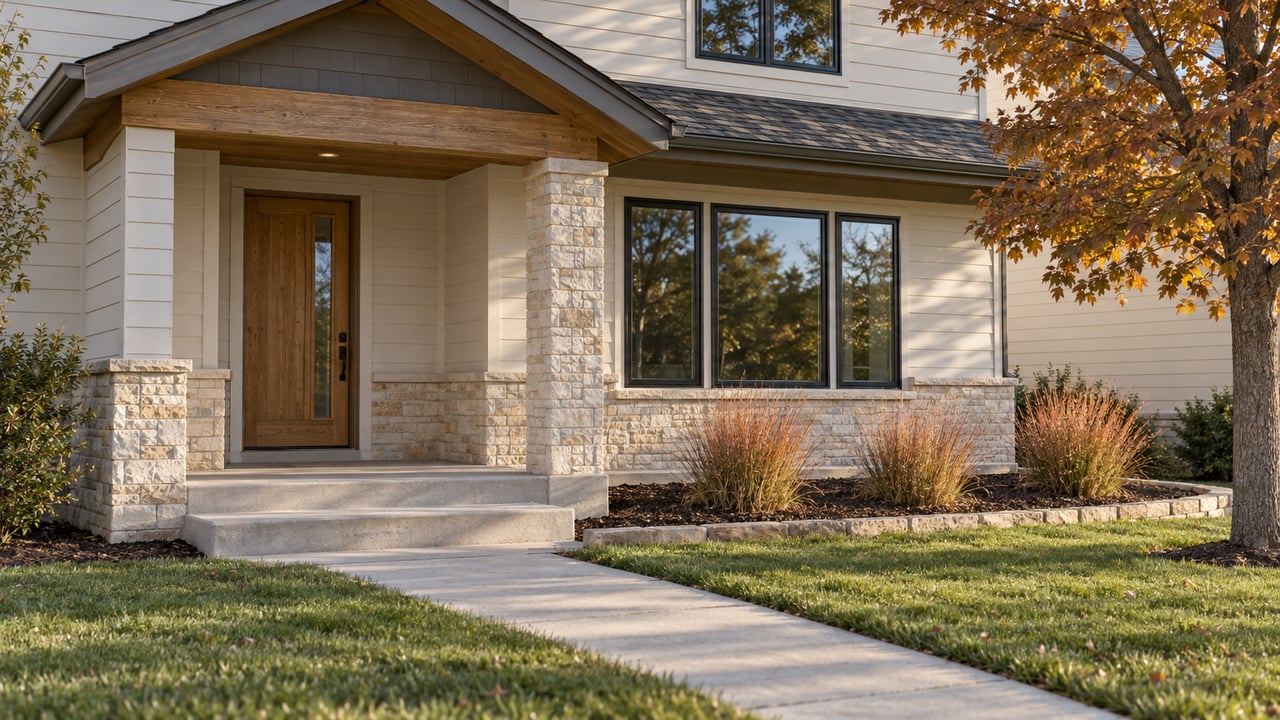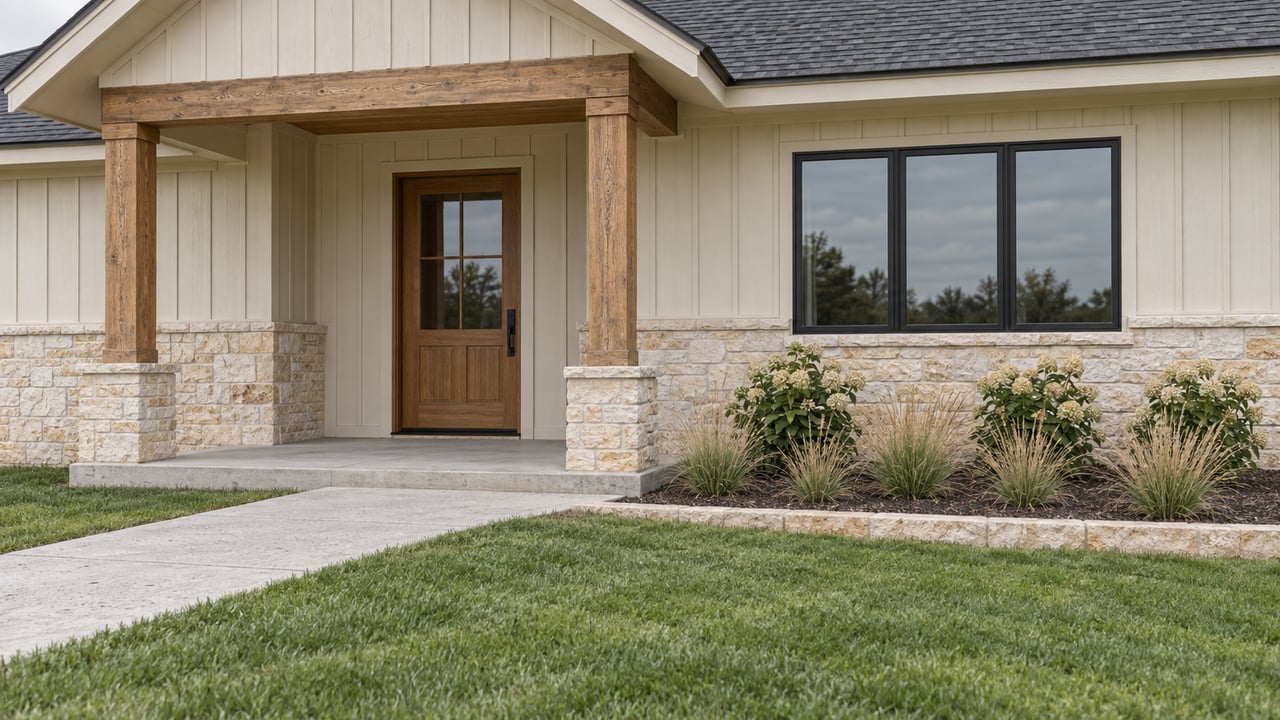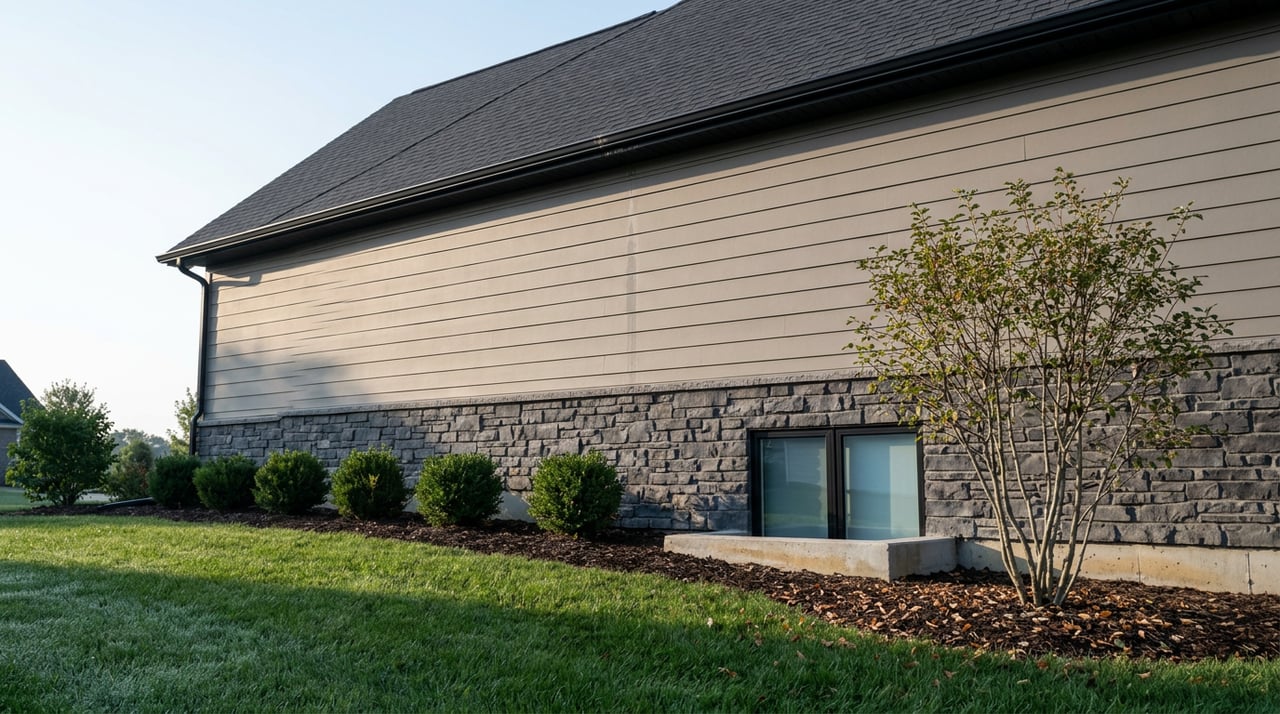
Two spec homes are going up right now on opposite ends of Grimes, same month, similar floor plans, different builders. One sits on the Polk County side of town. The other sits a few streets over, on the Dallas County side. Until this year, only one of those homes was legally required to include a radon vent system before the drywall went up.
That split isn't a rumor or a builder talking point. It's the actual regulatory history of a city that happens to straddle a county line, and it's the reason Iowa's new statewide radon law lands differently in Grimes than it does almost anywhere else in the metro.
If you're under contract on new construction here this fall, or weighing an offer on one, the calendar on this law matters less than you'd think. The county line, and one unresolved detail in how the law gets enforced, matter more.
What the Law Actually Requires, and What It Doesn't Yet
Governor Reynolds signed House File 2297 on May 19, 2026. The Iowa Department of Health and Human Services says the law requires new single- and two-family homes across Iowa to include a passive radon mitigation system, built to the method laid out in Appendix AF of the 2021 International Residential Code. The law took effect July 1.
Here's the part that gets skipped in most of the coverage: the law doesn't create an enforceable requirement on its own. It instructs the state building code commissioner to add the passive mitigation standard to the state building code. Until that formal adoption happens, the requirement isn't live, and once it is, it only applies to construction that commences after the adoption date, not after July 1. The Iowa Department of Inspections, Appeals and Licensing spelled this out in guidance issued June 25, calling the situation still unsettled until the commissioner acts.
In practical terms, that means a Grimes buyer signing a new-construction contract today can't assume their home falls under the new mandate just because it's 2026. The trigger date hasn't been set.
Why Grimes Specifically Sits on the Fault Line
Before HF 2297, radon-resistant new construction was already mandatory in only eleven jurisdictions statewide, according to the Iowa Department of Health and Human Services. Polk County was one of them. Dallas County was not.
Grimes sits directly on the border between the two, a fact that shows up in nearly every builder description of the city. That means for years, a new build permitted on the Polk County side of Grimes has been required to include passive radon mitigation, while a comparable new build permitted on the Dallas County side has not been under any similar obligation, even though both sit inside the same city limits and the same school district.
| Where you're building in Grimes | Required before HF 2297 | Status as of September 2026 |
|---|---|---|
| Polk County side | Yes, passive radon mitigation required | Still required, unaffected by pending state adoption |
| Dallas County side | No | Only required once the state commissioner formally adopts the code and your construction commences after that date |
That table looks simple, but it's the whole story. A new home a few blocks apart in either direction can have a completely different radon-system history depending on which side of an invisible line it sits on, and right now the pending state law hasn't erased that difference. It has just added a second, statewide layer on top of it.
Why This Isn't Just a Compliance Question
Iowa is the only state where every county falls into the EPA's highest radon risk tier, Zone 1. That's not a new development, it's the baseline reason RRNC requirements existed in places like Polk County long before this year's legislation.
The cost math is what makes the timing question worth asking rather than assuming. Lawmakers who backed HF 2297 cited a figure worth remembering: installing a passive system during construction runs roughly $300 to $500. Retrofitting one into a finished home can run up to $3,000. That gap is the entire argument for building it in from the start, and it's also the reason a buyer should confirm, in writing, whether their specific home includes one, rather than assuming it does because the news said radon systems are now required.
One more detail worth knowing before you sign anything: a passive system alone doesn't guarantee low radon levels. It reduces the cost of the fix if a post-move-in test comes back high, because the venting infrastructure is already in the walls. Adding the fan later is a much smaller job than routing new pipe through a finished basement. That's worth understanding going in, because "the home has a radon system" and "the home has been tested and passes" are two different facts, and only one of them tells you what you're actually breathing.
What to Ask Before You Sign in Grimes
If you're buying new construction here in the next several months, a few direct questions save real money and real uncertainty later.
- Ask the builder whether a passive radon system is included, regardless of what the law currently requires. At least one builder active in Grimes, Busy Builders, already states publicly that it tests for radon and installs mitigation before finishing space below grade, treating it as standard practice rather than a legal minimum. Other builders working the same corridor, including Happe Homes, bring similar experience building through Grimes' rapid growth. Ask each one directly what their standard is.
- Ask what "commenced" means for your specific permit. The law's trigger date depends on when construction started relative to the commissioner's adoption, not relative to July 1.
- Get the system type and method in writing as part of your contract or spec sheet, not a verbal assurance.
- Plan to test after move-in regardless of what's installed. A passive system reduces future retrofit cost. It doesn't replace a test.
If You're Selling an Older Grimes Home Instead
This law only touches new construction, but it changes the conversation for resale too. More than half of Grimes' housing stock was built after 2000, which means a meaningful share of the city's homes are also old enough to predate any radon mitigation requirement, including the Polk County RRNC rule that's been in place for years.
Iowa's existing disclosure law hasn't changed. Under Iowa Code sections 543B.9 and 543B.18, a seller must disclose any known radon test results, the date of the report, and the outcome, and must provide the buyer a copy of the state's radon fact sheet, with the buyer acknowledging receipt as part of the transaction paperwork. That obligation applies whether the home is five years old or fifty.
What is likely to change is buyer behavior. As new construction across the metro increasingly comes with a documented radon system built in, buyers touring an older Grimes home without one may start asking for a test before closing, even when the seller has no legal obligation to have already run one. Sellers who get ahead of that question, rather than fielding it mid-negotiation, tend to have an easier close.
A Few Questions Worth Answering Directly
Does this law apply to a home that's already under construction right now? Only if your construction commenced after the state building code commissioner formally adopts the requirement, which hadn't happened as of the most recent DIAL guidance. Ask your builder for your specific permit date and don't assume based on the calendar alone.
If my new home has a passive system, do I still need to test for radon? Yes. A passive system lowers the risk and lowers the cost of a fix if needed, but it isn't a substitute for a post-occupancy test.
Does any of this affect a resale purchase in Grimes? Not the construction mandate itself, but the existing seller disclosure requirements for known radon tests still apply, and rising awareness from new-construction coverage may mean more buyers request a test as part of the offer, whether or not the home is subject to the new law.
New construction in Grimes has always required more than watching a listing. It requires knowing which side of a line you're building on, what your contract actually says, and what questions to ask before the framing goes up rather than after. That's the kind of detail Andrew Bruellman and the team built their new-construction practice around, working alongside builders and buyers through exactly these moments. If you're weighing a new build in Grimes or anywhere in the metro, reach out and get connected before you sign.
This article is general information, not legal, tax or financial advice. Consult a qualified professional about your situation.