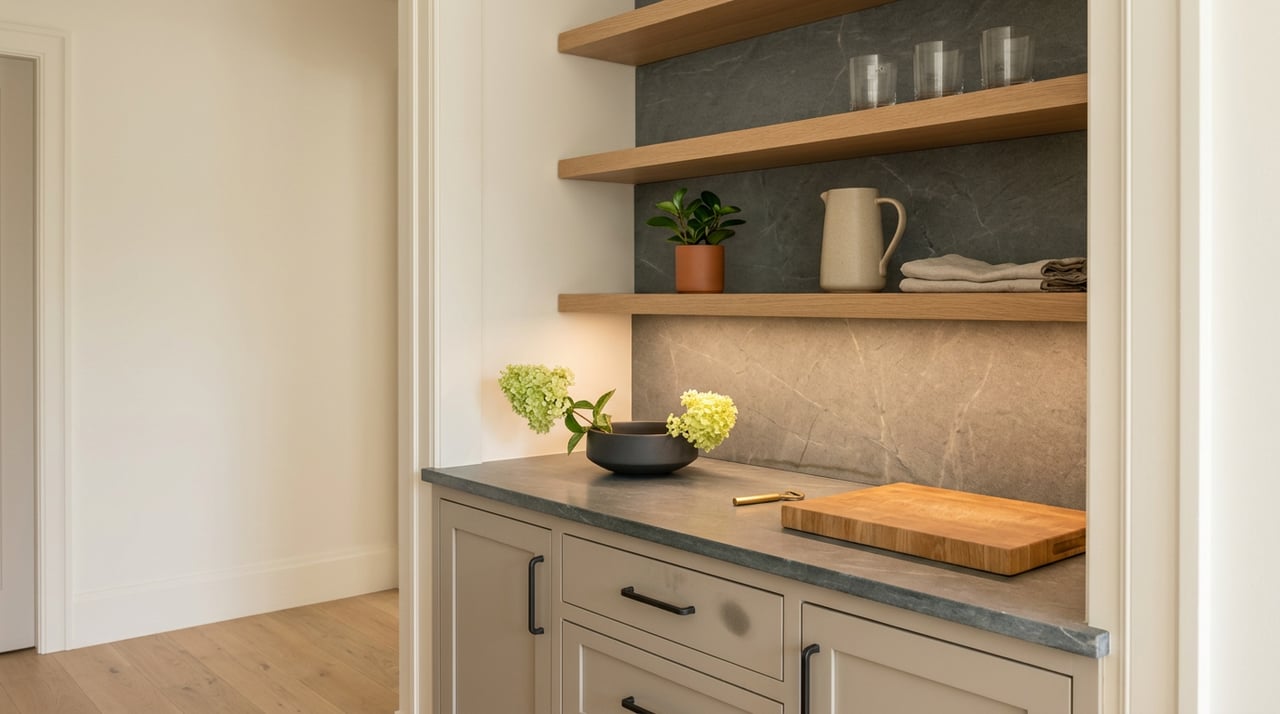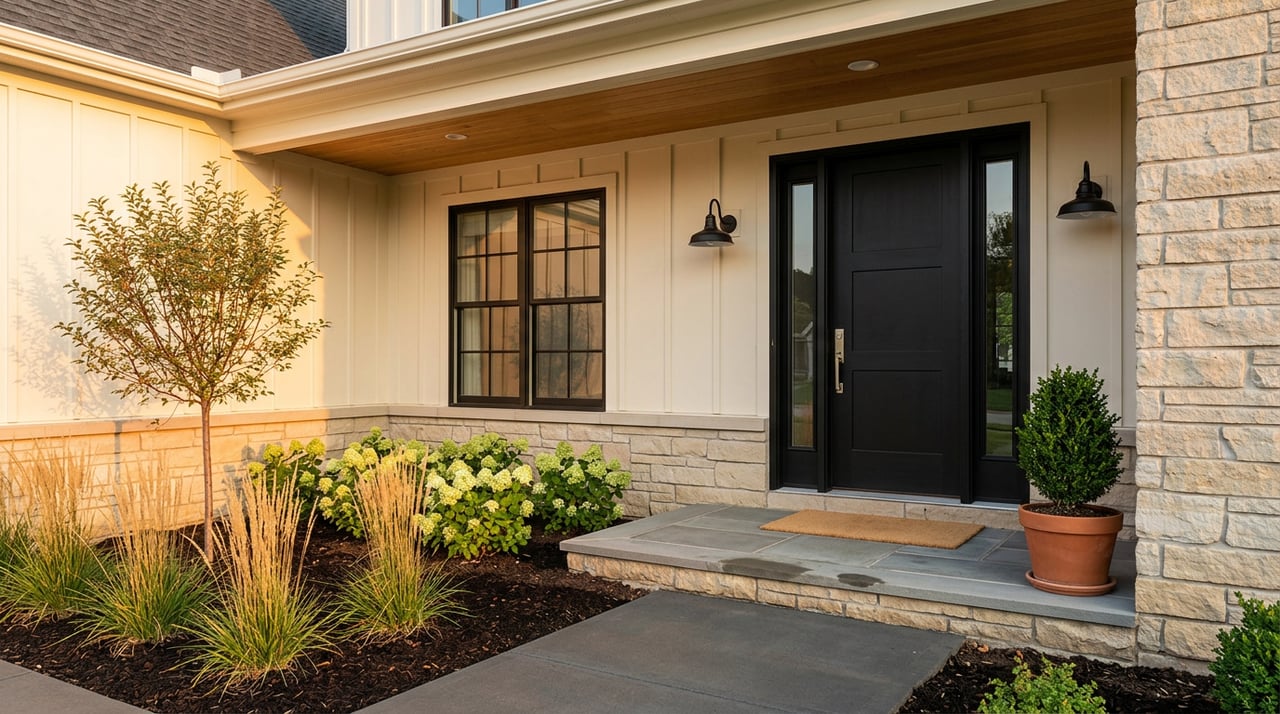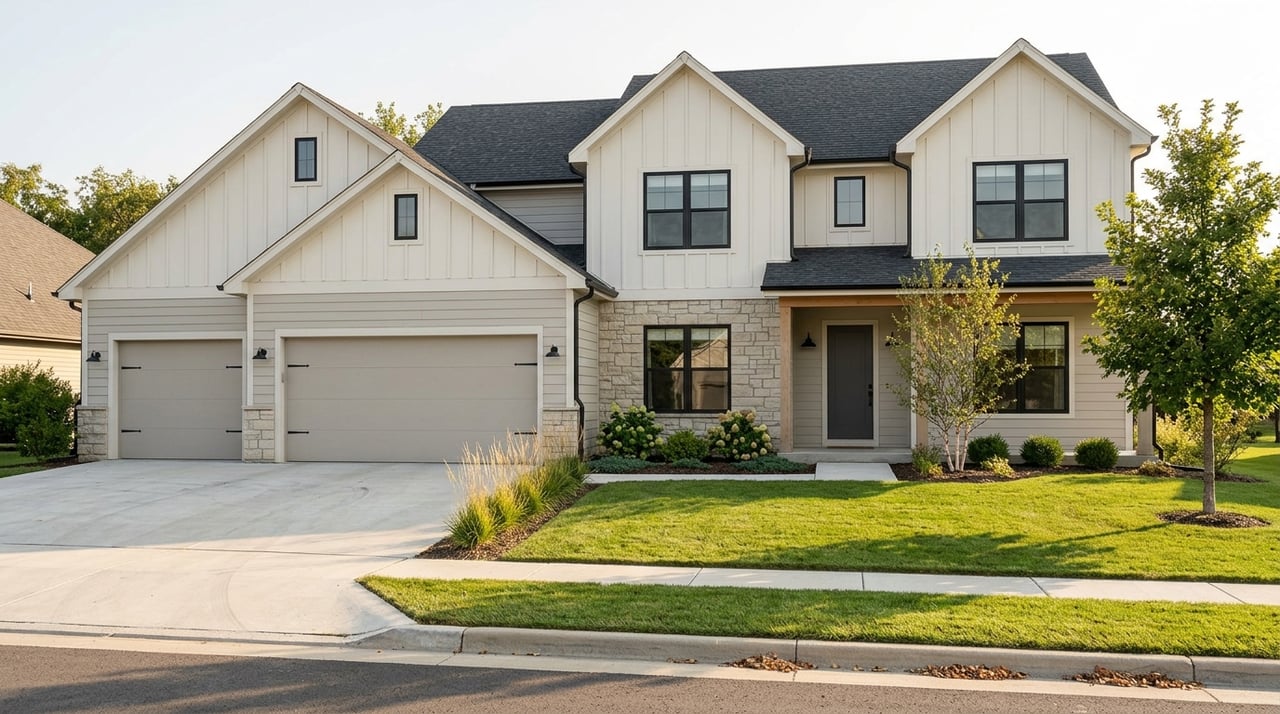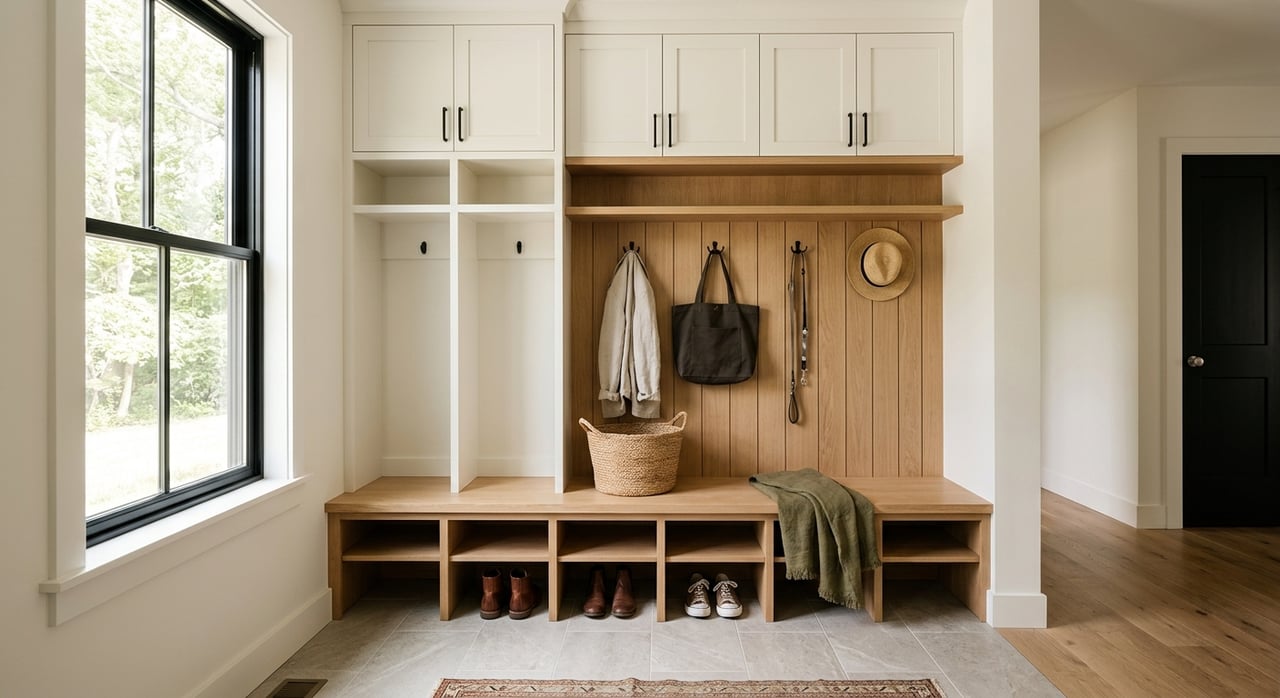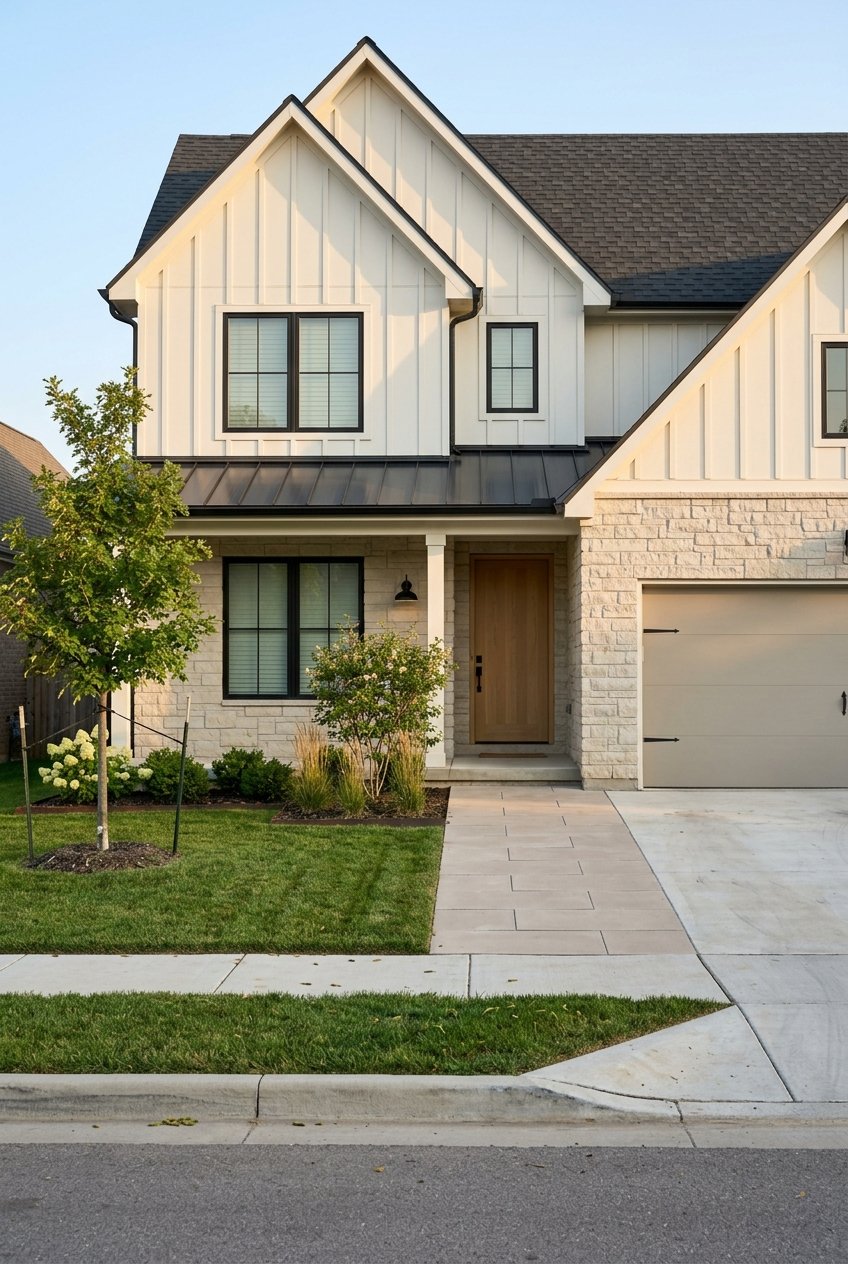
Shopping new construction in Johnston can feel exciting right up until every neighborhood starts to blur together. One model has a great kitchen, another has a bigger yard, and a third seems close to everything, but it is hard to tell which choice will still feel right a few years from now. If you want to compare Johnston new-construction neighborhoods with more confidence, there are a few local factors that matter most. Let’s dive in.
Start With Johnston’s Growth Picture
Johnston is not a market where you can judge new construction by one subdivision alone. The city reported $108.6 million in new construction valuation in 2025, including 98 single-family permits and 47 townhome or twin-home permits, and the development tracker lists multiple active housing projects across the community.
That matters because your comparison should go beyond builder name or model-home finishes. In Johnston, product type, project phase, and surrounding development all shape what your day-to-day experience may look like after you move in.
Compare Phase Maturity First
One of the smartest ways to evaluate a new construction neighborhood in Johnston is to ask how far along it really is. Some neighborhoods are already well established, while others are still early in their build-out with future plats and later phases still to come.
A more mature phase often gives you more certainty about nearby streets, neighboring homes, and amenity access. An earlier phase may offer more lot choices, but it can also come with more questions about construction traffic, future home sites, and what the area will feel like once fully built.
Why Future Development Matters
Johnston updated its zoning framework in 2023 to align with Thrive 2040, the city’s long-range plan for growth, housing, parks, open space, utilities, and transportation. In simple terms, you should not assume the land next to today’s model home will stay exactly as it looks now.
When you tour a neighborhood, ask what is planned around the current phase. Future residential sections, roads, open space, and adjacent uses can all affect privacy, views, and long-term convenience.
Evaluate the Neighborhood Setting
A beautiful house can lose some appeal if the setting does not support your routine. In Johnston, parks, trails, recreation, and nearby services play a big role in how livable a neighborhood feels beyond the front door.
The city maintains numerous parks and green spaces, including Terra Park, Crosshaven Park, Greenwood Hills Park, Pointe Vista Park, and Lew Clarkson Park. Instead of only measuring how close you are to the model row, it helps to look at how close you are to the places you may actually use week to week.
Look for Daily-Use Amenities
The Merle Hay Road Gateway area is one of Johnston’s clearest amenity clusters. The city identifies this area near I-80/35 as connecting Terra Park, Beaver Creek Natural Resources Area, and Crown Point Community Center.
Terra Park also includes trails around Terra Lake, pickleball and tennis courts, and outdoor fitness equipment. If nearby recreation is important to you, a neighborhood with amenities already in place may feel more predictable than one waiting on future improvements.
Notice Signs of a Built-Out Area
Established parks can also tell you something about how complete a part of Johnston already is. Pointe Vista Park, located in the Newport Vista and Ashton Pointe area, includes a pond, two playground areas, trails, and a sledding hill.
When a park network is already mature, it can reduce some of the uncertainty that comes with buying in a newer subdivision. You may have a clearer sense of traffic flow, neighborhood use patterns, and how the area functions on a normal day.
Compare What Is Built Versus Proposed
Convenience is not just about what a builder brochure says is coming soon. Johnston’s development tracker shows active retail and service growth around Merle Hay Road, including projects such as Gateway Crossing, Johnston Town Center Retail, Kwik Star, Starbucks, Raising Cane’s, Grandstay Hotel, and Bombers Golf and Family Entertainment.
That makes it important to separate current convenience from future convenience. A neighborhood near services already under roof may offer a different lifestyle than one counting on projects still in the pipeline.
Study the Lot Before the Finishes
In new construction, the lot often deserves more attention than the staging. Paint colors, lighting, and countertops can be changed or upgraded, but the lot’s position and surrounding conditions are much harder to fix later.
In Johnston, proposed property divisions and plats must be reviewed and approved by the city before filing with Polk County. The city also provides public zoning, street, stream buffer, and parks-and-trails maps that can help you understand how a homesite fits into the larger area.
Questions To Ask About the Homesite
When you stand on a lot, try to look beyond the house footprint. Ask questions like:
- Which direction will the backyard face?
- Does the lot back to a street, pond, open space, or a future phase?
- Are there easements, retaining walls, or grading changes?
- How much of the yard will actually feel usable?
- What could be built on the lots next door later?
These details can affect privacy, sunlight, drainage, and how you use the outdoor space.
Check Floodplain and Drainage Risk
Floodplain screening should be part of your lot review in Johnston. The city participates in the National Flood Insurance Program, has floodplain overlay districts, and advises buyers to review FEMA flood maps. The Iowa Department of Natural Resources may also require floodplain development permits in some cases.
This step is especially important for lots near creeks, ponds, or lower-lying open space. Even if a lot looks attractive in a brochure, you want to understand whether floodplain, stream buffer, or drainage conditions could affect your plans or ongoing costs.
Compare Home Types Honestly
Johnston’s 2025 permit data shows a mix of single-family homes and townhome or twin-home construction. That means you are often not just choosing a neighborhood. You are also choosing a housing style with different tradeoffs.
A townhome or twin-home community may offer less exterior upkeep and a smaller yard. A detached single-family home may give you more flexibility and privacy, but it may also come with more maintenance responsibility and potentially higher carrying costs.
Focus on the Floor Plan Fit
When you walk through model homes, it is easy to get distracted by finishes and décor. A better approach is to evaluate how the floor plan supports your everyday life, since layout decisions are much harder to change after closing.
Pay close attention to features like:
- Bedroom count and placement
- Flex room use
- Pantry size
- Mudroom location
- Laundry placement
- Garage depth
- Basement finish potential
- Kitchen connection to the main living area
A well-staged home can impress you quickly, but a practical layout is what tends to hold up best over time.
Review HOA Rules Carefully
If the neighborhood has an HOA, make sure you review more than the monthly dues amount. In new construction neighborhoods, the full covenant package often gives you a better picture of the community’s long-term structure and expectations.
Important items to review include what the dues cover, whether there is reserve funding, how special assessments are handled, and what rules apply to fences, sheds, exterior colors, pets, rentals, and future modifications. It is also smart to ask whether the HOA is still builder-controlled or has transitioned to homeowners.
Verify School Boundaries By Address
If school attendance boundaries matter to your decision, verify them using the exact address. Johnston Community School District says students attend their home school based on residence and the boundary map, and the district notes it has eight schools.
That means you should not assume an entire development feeds the same school based on marketing language or a nearby cross street. Address-level confirmation is the safer approach before you move forward.
Estimate the Full Monthly Cost
A new home’s base price is only part of the real budget. Johnston’s property tax calculator is designed to show FY 2026 and estimated FY 2027 property taxes and taxpayer receipts, and the city says about 30.7% of a residential property tax bill goes to the city in FY 2026, with the remainder shared by other local taxing bodies.
Using that tool early can help you estimate a more realistic monthly payment. Taxes and HOA dues can change the affordability picture in a meaningful way, especially in new construction where assessed value may shift over time.
Ask About Transitional Tax Treatment
For some annexed properties, Johnston publishes a five-year transitional tax-abatement schedule of 75%, 60%, 45%, 30%, and 15% of the difference before full city taxes begin in year six. This is not a blanket incentive for every new-construction neighborhood.
Still, it is worth checking whether a neighborhood is part of a recent or future annexation area. If it is, that could affect how you plan for short-term and long-term ownership costs.
Use a Johnston-Specific Checklist
When you narrow your options, keep your final comparison simple and local. A strong short list usually comes from balancing lot position, development context, school boundary, amenity access, and full monthly cost rather than judging finishes alone.
Here is a practical Johnston checklist to bring with you:
- Confirm the exact school boundary for the address.
- Check whether the lot is in a floodplain, stream buffer, or drainage-sensitive area.
- Verify whether the homesite is a recorded plat, a future phase, or still subject to city review.
- Estimate the full monthly payment with taxes and HOA dues.
- Compare access to parks, trails, recreation, retail, and services.
- Ask how the builder handles allowances, upgrades, change orders, warranty work, and the punch list.
- Compare lot orientation, yard privacy, and the surrounding phase plan.
- Review exterior maintenance responsibilities across home types and HOA rules.
The best new-construction neighborhood for you in Johnston may not be the one with the flashiest model. It is usually the one that fits your routine, your budget, and your comfort level with how the surrounding area will grow over time.
If you want help comparing Johnston neighborhoods, reading between the lines on lot value, or making sense of builder options, Andrew Bruellman can help you approach the process with clarity and confidence.
FAQs
How do you compare new construction neighborhoods in Johnston?
- Start with phase maturity, lot position, nearby amenities, future development context, HOA rules, school boundary verification, and full monthly cost instead of comparing finishes alone.
Why does lot location matter in Johnston new construction?
- Lot location can affect privacy, yard usability, drainage, sunlight, and what may be built around you later, so it often has a bigger long-term impact than interior upgrades.
What should you check before buying a new construction lot in Johnston?
- Review whether the lot is in a floodplain, stream buffer, or drainage-sensitive area, and confirm whether it is part of a recorded plat or a future phase still under review.
How important are parks and trails when evaluating Johnston neighborhoods?
- Parks and trails can shape your day-to-day lifestyle, and Johnston has multiple established parks and recreation areas that may make some neighborhoods feel more complete and convenient.
Do all Johnston new construction neighborhoods have the same property tax situation?
- No. Property taxes can vary, and some annexed properties may have a transitional tax-abatement schedule, so it is important to estimate taxes early for the specific property you are considering.
How do you confirm school attendance for a new construction address in Johnston?
- Johnston Community School District says students attend their home school based on residence and the boundary map, so you should verify the specific address rather than assume based on neighborhood marketing.